




What you're noticing
“Noticing”
Pick what fits you—we’ll point you to the right tools.
Permanently free—no ads, no email grabs, no selling your data. Screening, parent modules, and kids’ games are open to every family.
Families often notice daily struggles first, then use screening to measure them. Medication and clinic-based care are outside this site. Happy Ada offers screening, Parent Growth Camp, Ada's Quest, plus a resource library and parent community. Organizations shown are evidence references only—not endorsements.
Family Support Atlas
“Noticing”
Happy Ada · Parenting education
“Measuring”
BPT
Priority:★★★★★“Adjustment”
CBT
Priority:★★★[Easier days]
(Outside our services)
Support: ADHD library, Parent community
Wellbeing returning
A kinder future
Often loses thingsEasily distractedPuts things offBlurts outCan’t sit stillForgets what was just saidHomework takes foreverEmotions spike fastGrabs and argues with peersActs on impulseHard to wait in lineMisses long instructionsIrritable over small thingsBelongings in a messStarts but doesn’t finishTalks nonstopSeen as “just not listening”Little sense of timeGives up after a setbackOften clashes with classmates…
These are common examples we selected, not ADHD diagnostic criteria. For diagnosis or medication, please see a licensed clinician.
Note: this page is an evidence reference only. The platform is not authorized, endorsed, or certified by these organizations, and does not provide medical diagnosis. Details:Academic references(opens in a new window)
Focus clearly improvesLess impulsive behaviorFewer, milder blow-upsLess stallingFollows directions betterLoses fewer thingsHomework fights drop a lotFewer parent–child clashesParents aren’t on edge all dayHome feels calmerRules are easier to keepHandles setbacks a bit betterFewer peer conflictsSleep and routines settleChild feels more confidentParents’ strain easesTalking day to day goes more smoothlyFewer reckless surprisesCan stick with a taskFamily happiness comes back…
These are directions evidence-based parenting often moves toward—not guaranteed outcomes.
Many parents start with a sense that something is off, without words for what it is.
The Screening Center gathers 50+ ADHD-related scales—parent, teacher, child emotion, teen self-report, adult self-check—to organize scattered observations, give a reference result, and point to where parenting can adjust.
All scales are free, with no extra conditions. Submit to see results.
Screening is educational only and does not replace a clinical diagnosis. For a formal diagnosis, please see a licensed clinician.
Go to Screening Center:Screening Center guide(opens in a new window)
Leading ADHD experts generally agree: to change what a child lives with, start with the parenting environment. Parents are the most stable, ongoing influence. BPT is a first-line, guideline-supported approach. It is not about controlling the child, but changing how parents interact—positive reinforcement, clear instructions, fair rules and follow-through—to break conflict cycles and keep supporting the child at home.
Ada's Quest is for children: game-style CBT practice instead of lectures, helping them notice feelings, catch impulses, and practice focus and planning—so those skills show up in school and with family and classmates.
Parent and child adjust together. Everything stays free, with no ads or extra conditions.
This is family-education material, not medical treatment, and does not replace diagnosis or clinical care.
Parent, teacher, and adult ADHD screenings based on internationally used scales, with instant reference interpretations and next-step suggestions.
Learn moreA structured growth series for ADHD families—from first understanding to practical skills—so parents can keep learning together.
Learn moreLow-pressure scenario games rooted in everyday family life, helping kids practice emotion awareness, social cues, and impulse control.
Learn moreParent and teacher handbooks plus a U.S.-focused resource list—504/IEP, pediatric referrals, and evidence-based parenting without guesswork.
Learn moreFree tools for U.S. families raising kids with ADHD
Happy Ada is a nonprofit library of short, real-life practice for ADHD families—built with input from clinicians, teachers, and parents. Kids work on noticing feelings, reading the room, and hitting pause on impulses; parents get training that matches what pediatric guidelines recommend. No cost, no sales pitch.

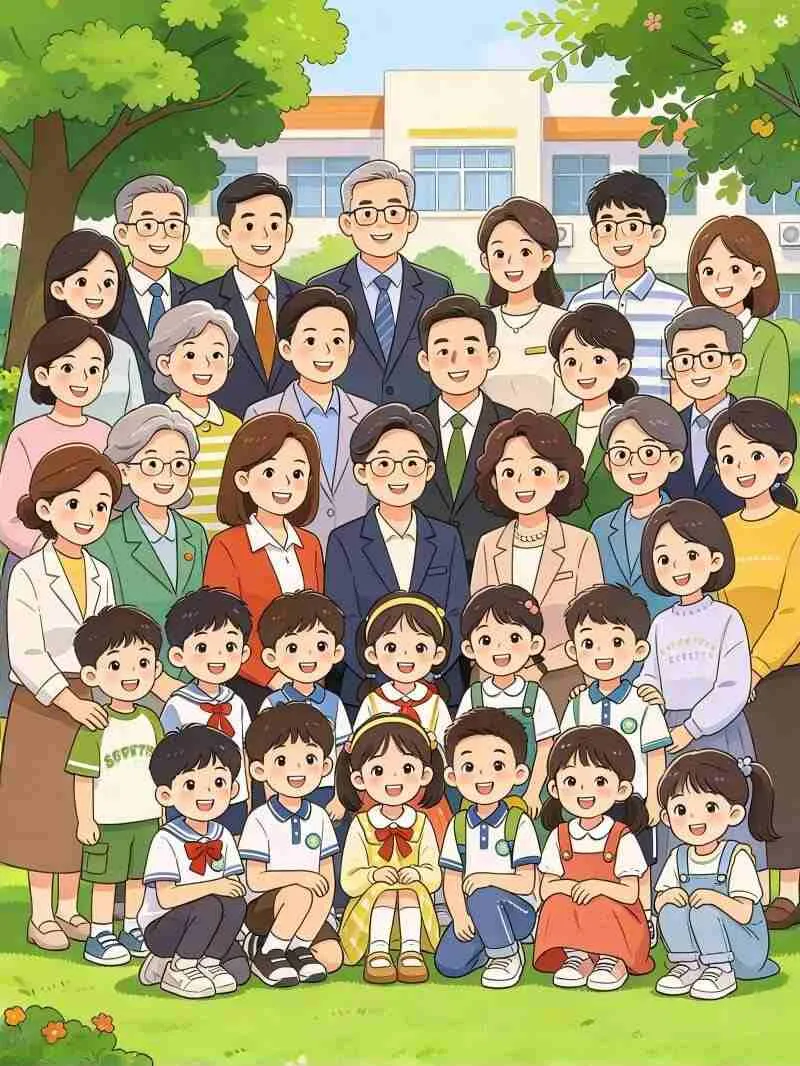
In the United States, CDC parent surveys find ADHD in roughly 9–10% of children ages 3–17—millions of families navigating pediatricians, schools, and 504/IEP meetings. Free tools that fit real family life are still scarce. This U.S. site was started by clinicians, parents of kids with ADHD, classroom teachers, and volunteers. It is a purely nonprofit project. We offer scenario practice, parent training, and trusted resources at no cost. We do not provide medical diagnoses. We hope every child with ADHD can be seen whole, grow at ease, and build skills through low-pressure practice at home.
Published research
Our content is informed by these scholars' published books and studies. They do not see patients through this site, endorse it, take a share of revenue, or serve as advisors here.

U.S. clinical psychologist and a founder of executive-function theory. One of the most influential scholars in ADHD worldwide, and author of several classic books for families.

Professor of psychology at UC Berkeley. Internationally known for ADHD across the lifespan, ADHD in girls and women, and research on stigma and social cognition.
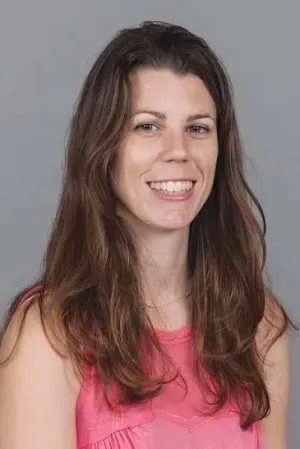
Professor of psychiatry and behavioral sciences at the University of Washington School of Medicine. An authority on adolescent ADHD and parent–teen behavioral interventions for families of teens with ADHD.

Professor of child and adolescent psychiatry at the University of Southampton, chair of a European ADHD guidelines working group, and adjunct professor at New York University.
Note: Tools and parenting resources on this platform draw on the published work of these scholars and others. Scholars do not operate this site and do not provide online clinical care. All content is educational and cannot replace a professional medical evaluation.
Family voices
Voices and hopes from families of kids with ADHD—the reason we built this platform.


