How this project began

1. What we see: families of kids with ADHD under strain
As a father of a child with ADHD, I have walked this lonely parenting path myself. Parents burn out in anxiety; children struggle under misunderstanding; classroom teachers lack practical tools. We once sought professional help with high hopes, and learned a hard truth: a diagnosis is easier to get than a clear guide; spending money is easy—truly helpful guidance is scarce.
The internet is full of commercial ADHD products: paid courses, brainwave tests, livestream coaching, supplements, and more. Some may help a little, but most are built around profit. Many families, under intense anxiety, keep paying and keep trial-and-error, draining money and energy. Having been through that storm, I wanted a nonprofit platform with no marketing and no paid products.
2. Our aim: a purely free, permanent nonprofit project
I do not need to profit from families of neurodivergent children, and I will not take a cent from their anxiety. Every scenario practice, screening tool, and home–school resource on this platform is permanently nonprofit and free—no hidden fees, no funnel into paid services.
I know that in a commercialized field, a pure nonprofit will face doubt, misunderstanding, and even bad-faith attacks. If the intent is clean, we need not fear the weather; if we act with integrity, we need not fear criticism. We simply want practical scenario practice and parenting experience, free for every family that needs it.
3. Professional grounding: science plus a layered advisory team
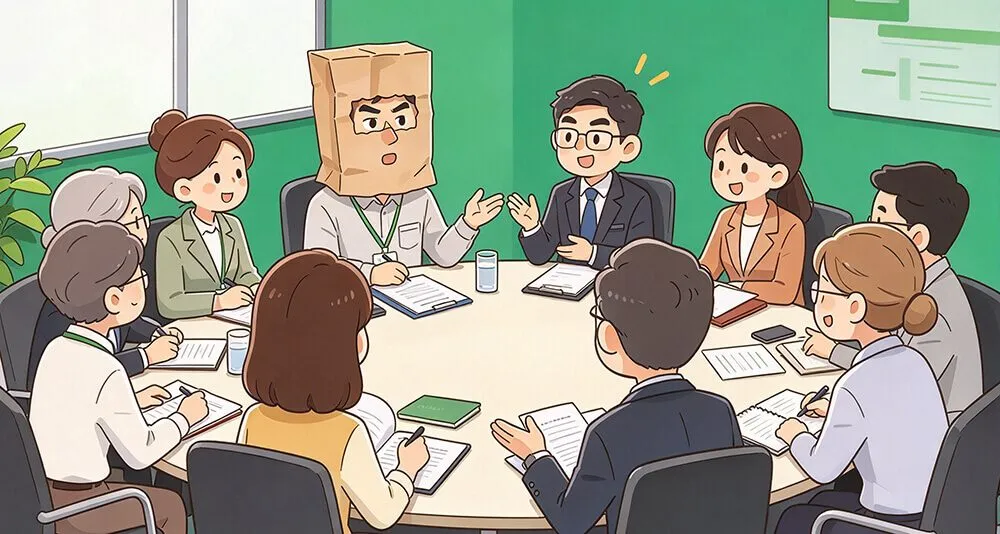
We reject folk remedies based on personal anecdote. Content is built on established frameworks, with multiple advisory layers involved.
Academic advisors
Specialists in ADHD, developmental-behavioral pediatrics, and child psychology
Classroom advisors
Frontline classroom teachers who ground advice in real school scenes
Youth experience advisors
Young people with ADHD who check whether practice scenes feel fair to kids
Screenings and online practice tools draw on internationally used scales, developmental-behavioral clinical standards, and mainstream rehabilitation frameworks. Everything we publish is rewritten to be child-friendly: less jargon, more science that families and schools can use right away.
4. Our vision
Many people are busy turning the anxiety of ADHD families into revenue.
We only want this: professional standards at the base, a clean heart at the center—a light for kids with ADHD, and a guide for their families.
May every child with ADHD find clearer skies—and may families not walk alone.

Sources and references
- CDC data suggest roughly 9% of U.S. children have received an ADHD diagnosis at some point; many families still lack affordable parent training and school support (cdc.gov/adhd/data).
- American Academy of Pediatrics. Clinical Practice Guideline for the Diagnosis, Evaluation, and Treatment of Attention-Deficit/Hyperactivity Disorder in Children and Adolescents (2019).
- Swanson J M, Nolan W, Pelham W E. SNAP‑IV Rating Scale: Categorical and Dimensional Definitions and Evaluations of Symptoms of ADHD[EB/OL]. 2001.
- Kessler R C, Adler L, Ames M, et al. The World Health Organization Adult ADHD Self‑Report Scale (ASRS): a short screening scale for use in the general population[J]. Psychological Medicine, 2005, 35(2): 245‑256.
Full academic sources for scales used on this site are in Scale sources & notes. Broader scholarly references are in Key references.