
About Parent Growth Camp

— Free · no paywall · bite-size —

Hello —

We watch the gaps. Classes, lectures, rules — hoping they “get better.” Easy to forget: they live in your tone. How you think, feel, and respond is the weather they grow in.

Updating how you parent is often more urgent than pushing the child. You steady; they can. You see clearly; their path holds. Sound familiar?

Not sure where you stand? A few minutes on a parenting self-check can sketch the pattern.

Start the parenting self-check

Have you had this too? Hours of clips and books — then a blow-up, homework stall, a slow morning, and you’re scrambling. Heat arrives. You shout. It all evaporates.

Why does so much parenting advice still leave us in much the same mess?

Meltdown, snap, shout — human. And the reflex doesn’t fix the problem. Steady yourself first, and practise a way of loving that can hold them.
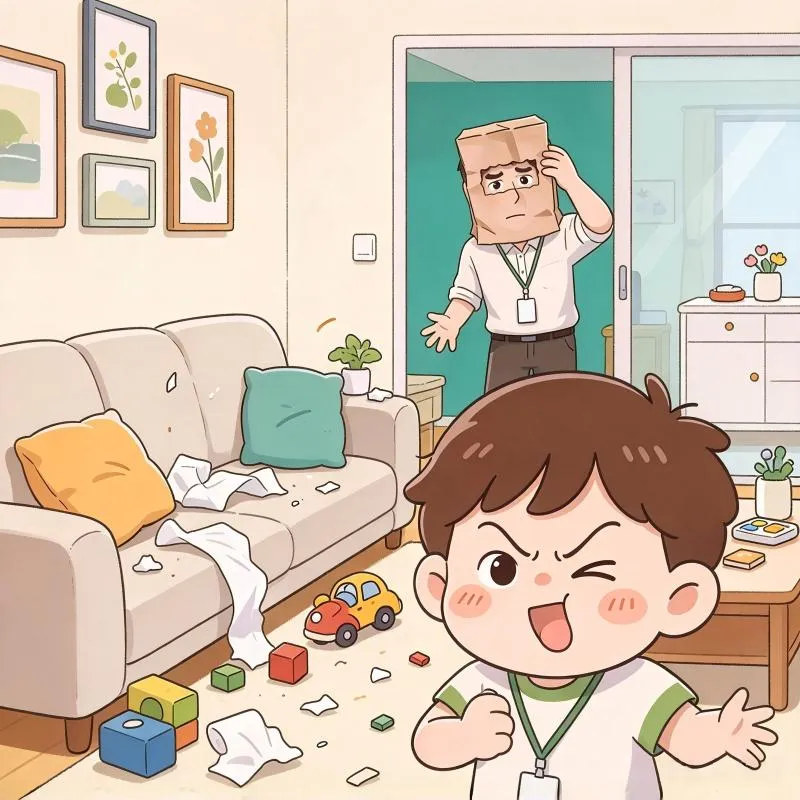
A small world that got away from us
When the small world tips over

So we built Parent Growth Camp differently — no lecture, no notes. A few minutes, real scenes, a choice, then feedback. Methods you can actually use.

In one line

Happy Ada · The ADHD Hub for Kids · Parent Growth Camp is a free, scene-based course. No lectures. You practise real parenting moments, rebuild how you see ADHD, and pick up methods that land at home.

What makes Parent Growth Camp different

Practice, not lectures

Rosetta-style: learn by doing. Decide in a scene. Keep the method from the feedback.

About 5 minutes

A level is 5–8 minutes. No streak. No extra homework for already-tired parents.

Free. All of it.

No unlocks, no product pitch. Methods, shared.

Evidence-informed

Drawn from AAP-aligned behavioural parent training. Reviewed before it ships.

Everyday scenes

Items from real ADHD family days — dawdling, stalling, the usual pinch points. Use them the same afternoon.

A path, not a one-off

From first steps through the teen years. A free community. Templates you can download.

How is this different from other programmes?

Compared Talks, recordings, and paid camps Happy Ada · The ADHD Hub for Kids | Parent Growth Camp
How you learn Teacher talks, full theory; paid camps add live Q&A and streaks Scene choices. You pick, you get feedback. Light, active practice
Time 30–90 minutes a sitting. A block of time. Miss a live slot, watch the replay 5–8 minutes. One useful idea per item. Fit it in a crack of the day
What’s in it Theory-to-method, mixed ADHD depth; some courses lean on generic parenting Built around ADHD brains. Everyday scenes across ages
Does it stick Clear in the room; gone at homework time. You convert it yourself You rehearse the moment. Easier to use. Ideas arrive one by one
How it feels A full course can feel like progress — and like a pile. Falling behind hurts No forced pace. A miss gets a why, not a scold. You have to show up
Cost Free recordings are often a funnel. Paid camps vary widely Public-interest. Permanently free. No hidden till
After the lesson Free talks end at the video. Paid support ends when the term does A free parent group. Downloads stay. You can re-read forever
Limits A standard course can’t know every family. Some “free” leads to a sale Practice, not an assessment. Not a stand-in for your GP or NHS team. Heavy behaviour and complex comorbidity still need in-person care

Parenting ADHD is already tiring. Learning here should be light.

FAQ

Yes. Free. No funnel.

A lot of “free courses” are a funnel. This camp isn’t. From the first item to the last level, it stays open. We won’t add you on chat apps, pitch a paid course, or name a drug or clinic. Nobody from sales will call.

We’re parents who had to hunt for something trustworthy. This is the useful, checked stuff — so other families skip a few of the ditches.

Yes. It’s built to help.

The core is low-conflict, high-clarity parenting. ADHD families need it most. Most families can use it.
  • The methods are general: praise that lands, behaviour that is taught, feelings that are named, habits that are built. Homework stall, morning drag, a snap, can’t sit, talks back — the same tools beat shout-and-lecture.
  • The difference is how badly you need it: without them, ADHD days often get worse. With a typical child, days get easier. Same as driving skill — essential for a novice, smoother for everyone.
  • Learn before the pile-up: don’t wait until the relationship is already tight. Habits and emotion skills are cheaper to build early.
  • Less anxious guesswork: fidgety isn’t automatically ADHD. You’ll have a clearer read — fewer false labels, fewer missed signals.
This isn’t a treatment course. It’s how to parent with less shout and more method. If you’re tired, you’re welcome.

No secret recipe. No “results in seven days.”

  • Methods that are already known to work: behavioural parent training used in many countries — not one person’s hack, not folklore.
  • Reviewed: paediatric, psychology, and special-education reviewers. We won’t sell you a myth.
  • No pitch: no drug, clinic, or product push. Problems, then methods.
  • Real days: morning stall, homework drag, a school call — the days families actually have.

No lectures. No long videos. You don’t need a seminar brain.

If “course” makes you tense — notes, theory, homework — this was built for the parent who has scraps of time, not a desk:
  • It’s a scene and a choice, like a short on your phone. Tap. A why appears. No jargon stack.
  • Plain speech. What to do, and why. If you can read a text from a friend, you can do this.
  • No notes, homework, or exam. Forget it? Open it again.
This isn’t school. It’s reps for the parenting you already do.

Five to eight minutes. There is no “behind.”

ADHD parenting time is scraps — after bedtime, in a queue, a lunch break. No fixed class. No forced pace:
  • About ten items a level. Stop whenever. Come back.
  • No streak, no roll-call, nobody saying you must finish today. Pause for a week. Come back where you stopped. You won’t have “fallen behind.”
  • Each item stands alone. Skip to the scene you need. You won’t be locked out.
You’re already tired. This should follow your day, not the other way round.

Preschool through teens. Different levels for different days.

ADHD looks different at 5 and at 14. We don’t one-size it:
  • Preschool (about 3–6): routines, settling into care, reading feelings, first rules — meal stall, bedtime, a public melt, grabbing.
  • Primary years (about 6–12): homework, sitting in class, peers, school notes — stall, fidget, lost kit, a row with a classmate.
  • Teens (12+): talk, school refusal, mood, independence — backtalk, phone, “why bother,” the closed door.
Go in order, or jump to the age you have. There’s a method for this week.

We don’t promise overnight or total. Used steadily, families do feel a shift.

Wanting it now is human. ADHD is a developmental difference. There is no seven-day cure. Anyone selling that is selling.
Change arrives in millimetres:
  • Many families notice in two to four weeks: fewer rows, less pushback, homework that can sit for a bit.
  • Later: clearer rules, shorter storms, less living on shout.
The point isn’t to remodel the child. You change the response. They follow. Slow, and sturdier than a shortcut.

They talk. We rehearse.

A stack of notes, then a melt at homework, and the old shout. Passive learning stays in the notebook.
Think of it as a rehearsal:
  • Each item is a day you already have. You pick, you see why, you step in the pothole while it’s still a screen.
  • Ten theories vs one move you’ll actually make next time.
Ten talks on driving lose to two laps. This is the laps.

Yes. There’s a free parent group. The course doesn’t vanish when you finish.

The items teach a method. Your Tuesday is still yours. You don’t have to sit on it:
  • Parents who’ve been there, plus volunteer teachers. Same weather. Practical notes, not a lecture from above.
  • A scene we missed, a school issue, grandparents who don’t agree — ask. People share ditches they’ve already stepped in.
  • Frequent questions get written back into the camp.
You’re not parenting this alone.

It stays up. Share it with whoever else parents in the house.

  • No expiry. No takedown. Forgot the why? Open it again.
  • The usual split: you hold a rule, someone else undoes it. One method in the house is kinder on the child — and on the adults.
  • Pass it to a friend in the same weather. Methods get better when they’re shared.

What this draws on

Evidence anchors
  • CHADD Parent to Parent
  • AAP ADHD guideline (PTBM / parent training in behaviour management)
  • NIMH-backed reinforcement and shaping
  • Barkley BPT
  • PCIT (CDI + PDI)
  • Triple P
  • Incredible Years (emotion coaching)
Clinical parent-training programmes
  • NFPP-style new-forest parent programmes
  • Hospital-based ADHD BPT curricula
  • ODD and adolescent family-intervention programmes
  • Clinic–school–family models

Full notes: Course system

Independence

This camp exists to fill a gap: light, free ADHD parent practice. It isn’t competing with paid courses or clinics. Those can go deeper, with more company, for families who want that.

The Hub is independent. We don’t steer you to a clinic, a product, or an ad. You choose what fits your family.