About
Millions of school-age children live with ADHD, and many families still cannot find support they can trust — especially free, home-sized practice. This Hub was started by clinicians and educators, ADHD parents, classroom teachers, and volunteers. It is a non-profit project. Scenario practice and parenting resources are free. We do not diagnose. We want a place where ADHD kids can be received as they are, and grow a little through practice.
We draw on widely used parenting and psychoeducation ideas and write 2–5 minute scenario practices. No diagnosis, no prescriptions — only help noticing feelings, reading social cues, and practising impulse control so daily life and belonging get a little easier. The project stays free. Tools are original to this Hub. Every ADHD child deserves a home that sees them.
Original, free, forever
Every scenario tool is free for ADHD families.A mixed advisory group
Education and developmental-psychology advisers help us shape the home practice.Mission and vision
Our mission
Happy Ada · ADHD-Hub für Kinder offers free, light emotion and social scenario practice for ADHD families. We want less parenting load, more noticing of feelings, more self-regulation practice — and a child who can be understood.
- Home-friendly scenario practice
- Low pressure, usable at home
- Free, and we keep iterating
Our vision
A support space so ADHD families feel less alone. We want difference to be seen, each child’s pace respected, and room for kids to unfold without being squeezed into one mould.
- Difference seen and received
- Parenting support that stays reachable
- A more inclusive growing environment
Our values
Receive first
See the need under the behaviour. No rush to judge or label. Understand, then support.
Evidence-informed
Content draws on public research and professional consensus. We do not inflate effects or sell panic.
Public and reachable
Core tools stay free, light, and close at hand.
Walk with growth
Respect each child’s pace. Iterate slowly with families.
Public scholarship
Scholarship we learn from

Russell A. Barkley, Ph.D.
Clinical psychologist and a founding voice on executive function. Widely cited in ADHD, with several classic books written for families.

Stephen P. Hinshaw, Ph.D.
Professor of psychology at UC Berkeley. ADHD across the lifespan, girls and women, stigma, and social cognition.
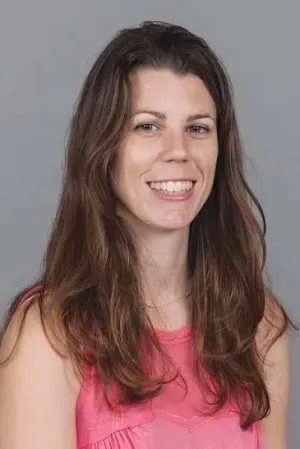
Margaret H. Sibley, Ph.D.
Professor of psychiatry and behavioural sciences at the University of Washington. Adolescent ADHD and parent–teen behavioural intervention.

Samuele Cortese, M.D., Ph.D.
Professor of child and adolescent psychiatry at the University of Southampton; chair of a European ADHD guidelines group; adjunct at NYU.
Note: Hub tools and parenting copy draw on public work by these scholars and others. They are not advisers here, do not run the site, and do not offer online care. Education only — not a medical assessment.
Brand story
Name and mark
Why “Happy Ada · ADHD-Hub für Kinder”
In the name Happy Ada, we hold a double tenderness toward children. Ada echoes ADHD Angel—a warm play on words. We believe every child with their own rhythm is a little angel in the family, not a “problem” boxed in by medical labels. It also honors Ada Lovelace, history’s first programmer: poetic imagination and rigorous logic intertwined, as in many ADHD minds. On the right channel and method, leaping thought can still create astonishing light. Happy is there because science, daily practice, and family support are not meant to trim a child into one mold, but to ease defeat, build “I did it!” confidence, let anxious parents breathe, and bring back laughter—a happy Ada, a happy child, a happy family. That is where we started. Der Untertitel ADHD-Hub für Kinder sagt neuen Besucherinnen und Besuchern auf einen Blick, wofür dieser kostenlose Familien-Hub da ist.
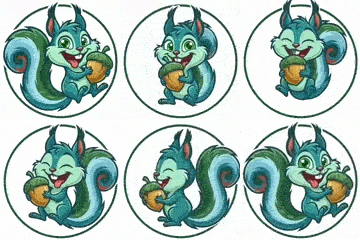
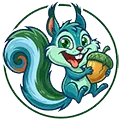
About the squirrel
The mark is a green-thicket squirrel — playful, not a disease label. Squirrels move and think in leaps, which is closer to how many ADHD kids’ minds jump. That is temperament, not a defect to sand off. The green says life, room, and ease: no single growth template. Difference is not damage. The moving tail is thought and imagination that will not sit still; the pinecone is a love, a talent, a spark — a reminder to see what shines, not only what is hard.
Colour: steady blue + living green
Steady blue
Blue reads as calm, trust, and steadiness. Distractibility, impulsivity, and mood swings can leave a family rattled. We want this Hub to feel like a quieter corner. Blue also means care with evidence: screens and practice draw on developmental and psychological research. We do not hype methods that do not hold.
Living green
Green is growth and aliveness. ADHD is a neurodevelopmental difference, not a defect. Living things do not grow on one clock, and neither do children. Many ADHD kids carry a lot of imagination; the green is there to keep that life in the picture.
Blue and green together
Blue holds; green grows. Together they mean: grow slowly in a place that can hold you. Saturation stays soft so long practice sessions and long reading sessions do not shout.
Name and picture both come from the same aim: Walk with difference, gently — free, reliable self-help tools for ADHD families.